
Losing fat is one of the most common health goals, yet it’s also one of the most misunderstood. With so much conflicting advice online, it’s easy to get confused about what really works. The truth is, fat loss doesn’t require extreme diets or magic pills—it comes down to science, consistency, and smart habits.
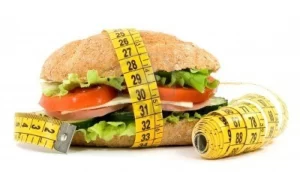
In this article, we’ll break down the truth about fat loss and share proven, science-backed tips that actually work. Whether you want to shed a few pounds or make a long-term change, these strategies will help you reach your goals in a healthy and sustainable way.
Understanding Fat Loss: The Basics
Before diving into the tips, it’s important to understand how fat loss works. Fat loss happens when your body burns more calories than it consumes. This is called a caloric deficit. However, not all calories are equal, and factors like metabolism, hormones, and lifestyle play a big role.
Many people think that cutting calories drastically is the best way to lose fat, but this can backfire. Extreme diets slow down metabolism, cause muscle loss, and make it harder to keep weight off. Instead, a balanced approach that includes proper nutrition, exercise, and lifestyle changes is key.
Science-Backed Fat Loss Tips That Work
1. Eat More Protein
Protein is the most important nutrient for fat loss. It helps you feel full, reduces cravings, and boosts metabolism because your body burns more calories digesting protein than fats or carbs. Studies show that a high-protein diet can help preserve muscle while losing fat, leading to a leaner, stronger body.
Good sources of protein include eggs, chicken, fish, lean meats, beans, and dairy. Aim for at least 20-30 grams of protein per meal to support fat loss and muscle maintenance.
2. Strength Training Beats Cardio for Fat Loss
Many people believe that long hours of cardio are the best way to burn fat, but strength training is actually more effective. Lifting weights builds muscle, and muscle burns more calories at rest than fat. This means you’ll continue burning calories even after your workout.
Cardio is still beneficial for heart health, but combining it with strength training gives the best fat-loss results. Focus on compound exercises like squats, deadlifts, and push-ups, which work multiple muscle groups at once.
3. Get Enough Sleep
Sleep is often overlooked in fat loss, but it’s crucial. Poor sleep disrupts hunger hormones (ghrelin and leptin), making you crave junk food and overeat. Research shows that people who sleep less than 6 hours per night are more likely to gain weight.
Aim for 7-9 hours of quality sleep each night. To improve sleep, avoid screens before bed, keep your room dark and cool, and stick to a consistent sleep schedule.
4. Drink More Water
Water plays a key role in fat loss. Sometimes, thirst is mistaken for hunger, leading to unnecessary snacking. Drinking water before meals can also help you eat fewer calories.
Studies show that drinking 500 ml (about 2 cups) of water before meals can increase weight loss by 44% over 12 weeks. Aim for at least 2-3 liters of water per day, more if you’re active.
5. Reduce Added Sugars and Refined Carbs
Sugar and refined carbs (like white bread, pasta, and pastries) spike blood sugar levels, leading to cravings and fat storage. Cutting back on these foods helps control hunger and reduces belly fat.
Instead, choose whole, unprocessed foods like vegetables, fruits, whole grains, and healthy fats. These keep blood sugar stable and provide long-lasting energy.
6. Eat More Fiber
Fiber is another powerful tool for fat loss. It slows digestion, keeps you full longer, and helps control blood sugar. High-fiber foods also feed good gut bacteria, which are linked to better metabolism.
Great sources of fiber include vegetables, fruits, oats, beans, and nuts. Aim for at least 25-30 grams of fiber per day.
7. Manage Stress Levels
Chronic stress raises cortisol, a hormone that increases belly fat storage. Stress also leads to emotional eating and poor food choices. Finding ways to manage stress is essential for fat loss.
Try relaxation techniques like deep breathing, meditation, or yoga. Even a short walk in nature can lower stress levels and improve mood.
8. Be Patient and Consistent
Fat loss doesn’t happen overnight. Many people give up too soon because they expect quick results. Healthy fat loss is a slow process—aim for 0.5 to 1 kg (1-2 lbs) per week.
Instead of focusing only on the scale, track progress through measurements, photos, and how your clothes fit. Consistency is more important than perfection.
Common Fat Loss Myths Debunked
Myth 1: You Need to Eat Less to Lose Fat
While a caloric deficit is necessary, eating too little slows metabolism and leads to muscle loss. Instead of extreme dieting, focus on eating nutrient-dense foods in the right portions.
Myth 2: Fat Makes You Fat
Healthy fats (like avocados, nuts, and olive oil) are essential for hormone balance and satiety. The real culprits for weight gain are processed foods and excess sugar.
Myth 3: Spot Reduction Works
You can’t target fat loss from specific areas (like belly or thighs). Fat loss happens overall with a proper diet and exercise plan.
Myth 4: All Calories Are the Same
100 calories from vegetables affect your body differently than 100 calories from soda. Food quality matters for metabolism, hunger, and overall health.
Final Thoughts
Fat loss doesn’t have to be complicated. By following science-backed strategies—eating enough protein, strength training, sleeping well, and managing stress—you can lose fat effectively and keep it off for good.
Remember, the best approach is one you can maintain long-term. Avoid quick fixes, stay consistent, and focus on building healthy habits. Over time, these small changes lead to big results.
If you found this article helpful, share it with others who might benefit from these science-backed fat loss tips!