
Have you heard about intermittent fasting and wondered what all the fuss is about? Maybe a friend has had amazing results, or you’ve seen headlines talking about its benefits for weight loss and health. It sounds complicated, but what if it was actually one of the simplest and most effective ways to manage your weight?
Intermittent fasting is not another strict diet. It doesn’t tell you what to eat, but rather when to eat. It’s a pattern of eating that cycles between periods of fasting and eating. This simple shift can be a powerful tool for shedding pounds and improving your health. This beginner’s guide will walk you through everything you need to know to start your journey safely and successfully.
What Exactly is Intermittent Fasting?
Let’s clear up a common misunderstanding right away. Intertermittent fasting is not about starvation. It is a structured approach to eating. Think of it as resetting your body’s natural rhythm.
For much of human history, people didn’t have access to food 24/7. Our bodies are beautifully designed to function without food for extended periods. Intermittent fasting taps into this ancient ability. When you fast for a set number of hours, your body exhausts its sugar stores and starts burning fat for energy. This metabolic switch is at the heart of why intermittent fasting is so effective for weight loss.
Popular and Easy Methods to Start With
There isn’t just one way to do intermittent fasting. The best method is the one that fits seamlessly into your lifestyle. Here are two of the most popular and beginner-friendly approaches.
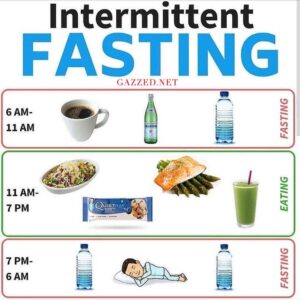
The 16/8 Method: This is often the easiest place to start. It involves fasting for 16 hours each day and limiting your eating to an 8-hour “window.” For example, you might eat your first meal at 12:00 PM and finish your last meal by 8:00 PM. This means you simply skip breakfast and avoid late-night snacks. Most of your fasting period happens while you sleep, making it very manageable.
The 5:2 Diet: This method involves eating normally for five days of the week. On the other two, non-consecutive days, you reduce your calorie intake to around 500-600 calories. For instance, you might eat normally from Monday to Friday, then have a very light meal on Tuesday and Saturday. This approach allows for more flexibility on most days.
The Powerful Benefits: More Than Just Weight Loss
While shedding pounds is a major draw, the advantages of intermittent fasting go far beyond the scale. When your body adapts to burning fat, several positive changes occur.
The most obvious benefit is weight loss. By creating a defined eating window, you naturally tend to consume fewer calories. Furthermore, fasting lowers your insulin levels and increases your growth hormone levels, both of which enhance fat burning. Many people also find that their cravings for sugary snacks diminish over time.
But the benefits continue. Users often report having more stable energy throughout the day, avoiding the dreaded afternoon slump. Intermittent fasting can also support better brain health, reduce inflammation in the body, and may even help you live a longer, healthier life. It gives your digestive system a much-needed break, which can improve gut health.
Your Simple Guide to Getting Started
Beginning intermittent fasting doesn’t have to be daunting. Follow these simple steps to set yourself up for success.
First, choose your method. As a beginner, the 16/8 method is highly recommended. It’s straightforward and easy to follow. Next, pick your eating window. Align it with your social life and natural hunger cues. If you’re a breakfast lover, maybe your window is from 9:00 AM to 5:00 PM. If you never feel hungry in the morning, a 12:00 PM to 8:00 PM window might be perfect.
Start slow. You don’t have to jump straight into a 16-hour fast. Try 12 hours for a few days, then 14, and work your way up. Listen to your body. During your eating window, focus on what you eat. While you don’t need to count calories obsessively, your body will respond best to nutritious, whole foods. Fill your plate with lean proteins, healthy fats, fiber-rich vegetables, and complex carbohydrates. These foods will keep you full and energized during your fasting period.
Finally, stay hydrated. This is the most important rule. Drink plenty of water throughout the day, both during your fasting and eating windows. Herbal tea, black coffee, and sparkling water are also great options that won’t break your fast.
Navigating Common Challenges
It’s normal to face a few hurdles when you start. The first few days might be challenging as your body adjusts. You might feel hungry, irritable, or low on energy. This is temporary and usually passes within a week. Remember to drink water, as thirst is often mistaken for hunger.
Social situations can also be tricky. Planning is your best friend. If you have a dinner party outside your window, consider adjusting your window for that day or simply enjoying the event and getting back on track the next day. Intermittent fasting is meant to be flexible, not a source of stress.
Is Intermittent Fasting Right For You?
Intermittent fasting is a powerful tool, but it’s not for everyone. It is generally not recommended for pregnant or breastfeeding women, individuals with a history of eating disorders, or those with certain medical conditions like diabetes or low blood pressure. If you have any underlying health concerns, it is crucial to consult with your doctor before making any significant changes to your eating patterns.
Your Journey to a Healthier You
Intermittent fasting is more than a diet; it’s a sustainable lifestyle change that can help you take control of your health and weight. By focusing on when you eat, you can simplify your relationship with food, boost your metabolism, and unlock numerous health benefits.
Start slowly, be patient with yourself, and listen to your body. The goal is progress, not perfection. With this simple guide, you have all the tools you need to begin your intermittent fasting journey and start shedding pounds the smart way.