
We often hear about the wonders of collagen for our skin, hair, nails, and joints. It’s the most abundant protein in our bodies, acting as the scaffolding that keeps everything firm, plump, and strong. As we age, our natural collagen production slows down, leading to common signs of aging.
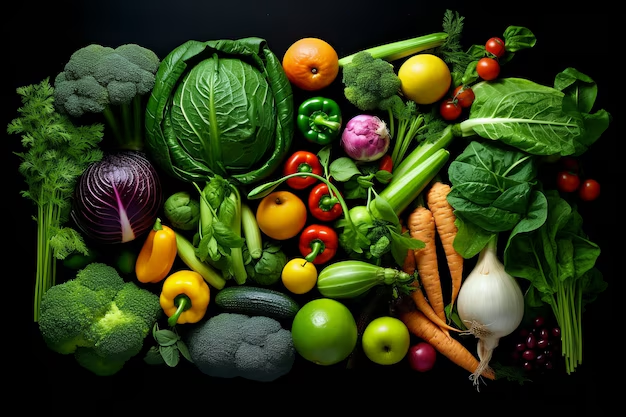
While you can’t find collagen in a carrot or a leaf of spinach, you can find the essential building blocks your body desperately needs to produce its own. Think of it like building a house. You need raw materials like bricks and mortar. These vegetables provide that crucial raw material. Let’s explore the best vegetables to add to your diet to boost your body’s natural collagen production from the inside out.
The Collagen Connection: It’s All About the Building Blocks
Before we dive into our list, it’s important to understand how this works. Your body creates collagen by combining two key amino acids: proline and lysine. This process also requires a powerful helper: Vitamin C. Without enough Vitamin C, your body struggles to assemble these amino acids into the strong collagen network your skin craves.
So, while no vegetable contains direct collagen, the right vegetables provide a powerhouse of proline, lysine, and Vitamin C. By eating them, you are giving your body the perfect toolkit to build its own supply, leading to healthier, more radiant skin and stronger joints.
1. The Dark Leafy Green Powerhouse: Spinach, Kale, and Swiss Chard
Dark leafy greens are the undisputed champions of a collagen-boosting diet. Vegetables like spinach, kale, and Swiss chard are loaded with chlorophyll. You might remember chlorophyll from science class as the pigment that makes plants green. Exciting research suggests that chlorophyll can increase the precursor to collagen in the skin, meaning it helps lay the foundation for new collagen growth.
Furthermore, these greens are a wonderful source of Vitamin C. Just one cup of raw kale provides a significant portion of your daily Vitamin C needs, ensuring your body can effectively use the amino acids you consume. Try adding a large handful to your morning smoothie, sauté them as a side dish, or create a nutrient-dense salad.
2. The Vibrant Builder: Red Bell Peppers
When it comes to Vitamin C, red bell peppers are true superstars. Gram for gram, they contain even more Vitamin C than an orange! This high concentration is vital for collagen synthesis. Vitamin C doesn’t just help build collagen; it also acts as a potent antioxidant, protecting your existing collagen from damage caused by sun exposure and pollution.
Their bright red color comes from antioxidants called carotenoids, which further help protect your skin. Slice them up for a crunchy snack with hummus, add them to stir-fries, or roast them to bring out their natural sweetness.
3. The Underground Treasure: Garlic
This humble kitchen staple is a secret weapon for collagen health. Garlic is rich in sulfur, a mineral that is essential for preventing the breakdown of collagen. Sulfur helps stabilize the collagen structure you already have, making it more durable and long-lasting. It also contains a unique compound called taurine, which helps repair damaged collagen fibers.
While more research is ongoing, the evidence points to garlic being a powerful supporter of your body’s connective tissues. To get the most benefit, crush or chop garlic and let it sit for 10 minutes before cooking. This activates its beneficial compounds.
4. The Earthy Foundation: Mushrooms
Mushrooms are a fascinating addition to this list. They are one of the very few non-animal sources that contain a trace amount of pre-formed collagen. More importantly, they are packed with antioxidants and a mineral called selenium. Selenium works alongside other antioxidants to protect your skin from free radical damage, which is a major culprit in collagen degradation.
Different varieties offer different benefits, so enjoy a mix like shiitake, cremini, and portobello. Sauté them as a savory side, add them to soups, or use large portobello caps as a healthy, meaty burger alternative.
5. The Hydrating Classic: Cucumbers
Cucumbers are over 95% water, making them incredibly hydrating. Well-hydrated skin is plumper and healthier, which can reduce the appearance of fine lines. But their collagen benefits go deeper. The skin of the cucumber is a rich source of silica, a trace mineral that is a key component of collagen. Silica helps strengthen the connective tissues and can improve your skin’s texture and strength.
For the best effect, be sure to eat your cucumbers with the peel on. Add them to water for a refreshing drink, slice them into salads, or enjoy them as a cool, crunchy snack.
6. The Sweet and Starchy Root: Sweet Potatoes
Your skin’s worst enemy is often inflammation and damage from the sun. Sweet potatoes come to the rescue with their bright orange flesh, colored by the antioxidant beta-carotene. Your body converts beta-carotene into Vitamin A, which is essential for skin cell growth and repair. Vitamin A also helps promote collagen production and acts as a natural sunblock, protecting the collagen you already have from UV damage.
Enjoy sweet potatoes roasted, mashed, or baked for a delicious and skin-loving side dish.
7. The Tangy Crunch: Tomatoes
Tomatoes are another fantastic source of a powerful antioxidant called lycopene, which gives them their vibrant red color. Lycopene is particularly good at shielding your skin from UV damage. By protecting your skin from the sun, lycopene helps prevent the enzymes that break down collagen. Interestingly, cooking tomatoes, like in a sauce or soup, actually increases the amount of lycopene your body can absorb.
8. The Humble Sprout: Brussels Sprouts
This often-misunderstood vegetable is a double threat for collagen support. Brussels sprouts provide a healthy dose of Vitamin C to aid in collagen production. They are also rich in Vitamin K, which plays a crucial role in bone health. Since collagen is a key part of your bones and cartilage, supporting your skeletal system with Vitamin K is an indirect but important way to maintain overall collagen health. Roasting Brussels sprouts brings out a nutty, delicious flavor that might just make them your new favorite vegetable.
Building a Collagen-Rich Lifestyle
Eating these vegetables is a powerful step toward supporting your body’s natural beauty. Remember, consistency is key. Try to incorporate a variety of these colorful vegetables into your meals every day. Pair them with other collagen-supporting foods like lean meats, fish, eggs, beans, and citrus fruits for a well-rounded approach.
By feeding your body the right nutrients, you are investing in your long-term health and radiance. Your skin, hair, nails, and joints will thank you for the extra care and delicious food