
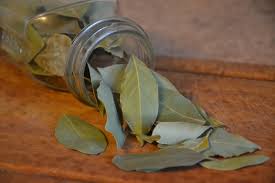
You probably know bay leaves as that silent, aromatic herb that comes in a jar, destined for soups and stews. It’s the ingredient you’re told not to eat, the one that seems more like a culinary prop than a potent wellness tool. I always wondered—what’s the point? Then, I stumbled upon claims about bay leaf tea: an ancient remedy praised for everything from soothing anxiety to aiding digestion. Intrigued, I decided to move these leaves from my spice rack to my teacup. Every morning for thirty days, I brewed and drank a simple cup of bay leaf tea. Here is my honest, no-exaggeration account of what truly happened.
First, Let’s Talk About the Brew
Making the tea is simple, but it’s not like steeping a regular tea bag. I took three dried bay leaves—the standard culinary kind—rinsed them, and added them to a cup of boiling water. I let it steep, covered, for a solid ten minutes, allowing the leaves to release their essence. The result is a pale, greenish-gold liquid with a subtle, woodsy, and slightly floral aroma. The taste is mild, earthy, and vaguely reminiscent of oregano and thyme, but gentler. I found it pleasantly soothing without any sweetener, though a dab of honey works if you prefer.
The First Week: A Calming Ritual Emerges
The most immediate change wasn’t physical—it was mental. The act of slowly preparing the tea each morning became a mindful ritual. The steam carrying that herbal scent seemed to signal my brain that it was time to pause. About twenty minutes after drinking, I noticed a distinct sense of calm. It wasn’t a dramatic sedative effect, but more like the quieting of a constant low-level mental static. My usual morning anxiety, that buzzing about the day’s tasks, felt noticeably dialed down. This gentle calming effect was the first and most consistent benefit throughout the entire month.
Digestive Changes: The Unexpected Win
Around the middle of the second week, I realized my digestion was…smoother. I’ve always had a somewhat sensitive stomach, prone to occasional bloating after meals. Without making any other dietary changes, this bloating became far less frequent. Meals seemed to settle more comfortably. I looked into it and found that bay leaves have traditionally been used as a carminative, meaning they can help ease gas and bloating. This was a very practical, welcome improvement in my daily comfort.
A Subtle Shift in Sweet Cravings
This one surprised me. I have a notorious sweet tooth, especially in the afternoon. I didn’t start this experiment to change my diet, but I found myself reaching for dark chocolate or fruit instead of my usual cookie or pastry. The craving for intense sweetness simply lessened. Some studies suggest compounds in bay leaves may help support balanced blood sugar levels, which can influence cravings. While I can’t claim any medical change, my personal experience aligned with a natural reduction in my desire for sugary snacks.
What Did Not Happen: Managing Expectations
It’s crucial to balance this with what I did not experience. I did not witness dramatic weight loss—any change on the scale was minimal and likely linked to my slightly better eating habits. I did not experience a miraculous energy boost or sudden cure-all for any ailment. My sleep quality, while good, wasn’t radically transformed. Bay leaf tea is not a magic potion; it’s a gentle, supportive herbal infusion.
The Science Behind the Experience
My curiosity led me to research why I might be feeling these effects. Bay leaves are packed with beneficial compounds. They contain essential oils like cineole and eugenol, which have anti-inflammatory and antioxidant properties. They are also a source of vitamins A and C, and minerals like potassium and manganese. The calming effect is often attributed to linalool, a compound also found in lavender. The digestive benefits are linked to enzymes that may help break down proteins and soothe the gut lining. It was satisfying to learn that tradition and modern science seem to agree on bay leaf’s supportive properties.
Important Cautions Before You Try
Bay leaf tea is generally considered safe for most people in culinary amounts, but caution is key. Always use culinary bay leaves (Laurus nobilis), not decorative varieties which can be toxic. If you are pregnant, breastfeeding, on diabetes medication (due to its potential blood sugar effects), or have scheduled surgery, consult your doctor first. The tea has a mild blood-thinning effect. Start with one cup daily and see how your body reacts.
The Verdict: Will I Continue?
My month-long journey with bay leaf tea is over, but my kettle is still steaming. The experience was positively subtle yet meaningful enough to integrate into my routine. I won’t be drinking it with the expectation of a life-altering transformation, but for the gentle calm it brings to my mornings and the supportive aid to my digestion. It turned a forgotten pantry staple into a cherished daily comfort.
In a world of extreme wellness trends, bay leaf tea is a humble, slow-and-steady practice. It’s a reminder that sometimes, the simplest ingredients, used consistently, can create a ripple effect of well-being. If you’re looking for a natural, mild way to add a moment of calm and digestive ease to your day, those unassuming leaves in your spice rack might just be worth a second look. Just remember to take the leaves out of the cup before you drink—some old habits, it seems, are worth keeping.