
Breakfast is often called the most important meal of the day — and for good reason. A healthy breakfast gives your body energy, helps you focus, and keeps you full for longer. One key nutrient that many people forget about is fiber.
Fiber is essential for good digestion, stable blood sugar levels, and heart health. It also helps you feel satisfied, which can reduce unhealthy snacking later in the day. Sadly, many typical breakfast foods are low in fiber. Sugary cereals, white bread, and pastries may taste good, but they do little for your health.
The good news? There are many delicious, easy, and high-fiber foods you can enjoy every morning. Let’s explore the eight best high-fiber foods for breakfast and why they deserve a place on your plate.
1. Oats


Oats are one of the best sources of fiber you can eat for breakfast. They contain a special type of fiber called beta-glucan, which is known to help lower cholesterol and support heart health.
Oats are also very filling. A bowl of oatmeal can keep you satisfied for hours, making it easier to avoid unhealthy snacks. Another benefit is their versatility. You can enjoy oats warm, cold, sweet, or savory.
Adding fruits, nuts, or seeds can increase the fiber content even more. Overnight oats are especially popular because they are quick, easy, and perfect for busy mornings.
2. Chia Seeds
Chia seeds may be tiny, but they are packed with fiber. Just a small spoonful contains a surprising amount. They also absorb liquid and expand, helping you feel full longer.
You can mix chia seeds into oatmeal, yogurt, smoothies, or even make chia pudding. They have a mild taste, so they blend easily with other foods.
Besides fiber, chia seeds provide healthy fats and important nutrients. This makes them a simple but powerful addition to your breakfast.
3. Berries

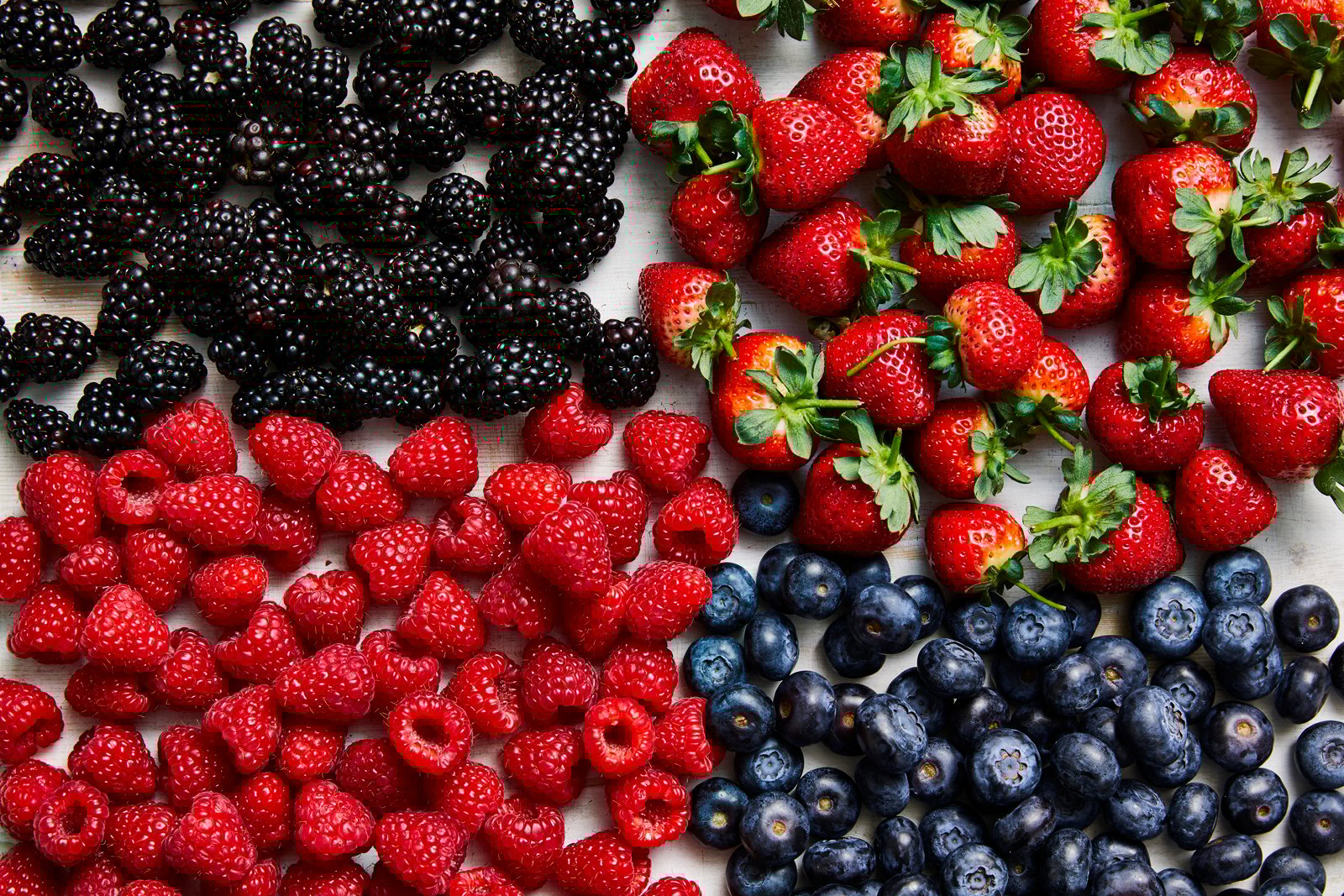

Berries are among the highest-fiber fruits you can eat. Raspberries, blackberries, and blueberries are especially rich in fiber.
They are also naturally sweet, low in calories, and full of antioxidants. This makes them perfect for a healthy breakfast.
You can add berries to oatmeal, yogurt, cereal, or smoothies. They instantly improve flavor, color, and nutrition.
Unlike fruit juices, whole berries keep their fiber intact, which is important for digestion and blood sugar control.
4. Whole Grain Bread
Not all bread is created equal. White bread is low in fiber, but whole grain bread can be an excellent source.
Whole grains contain all parts of the grain, including the fiber-rich bran. This helps support digestion and provides longer-lasting energy.
Whole grain toast can be paired with many high-fiber toppings. Avocado, nut butter, eggs, or cottage cheese all work well.
Reading labels is important. Look for bread that lists “whole grain” or “whole wheat” as the first ingredient.
5. Avocados

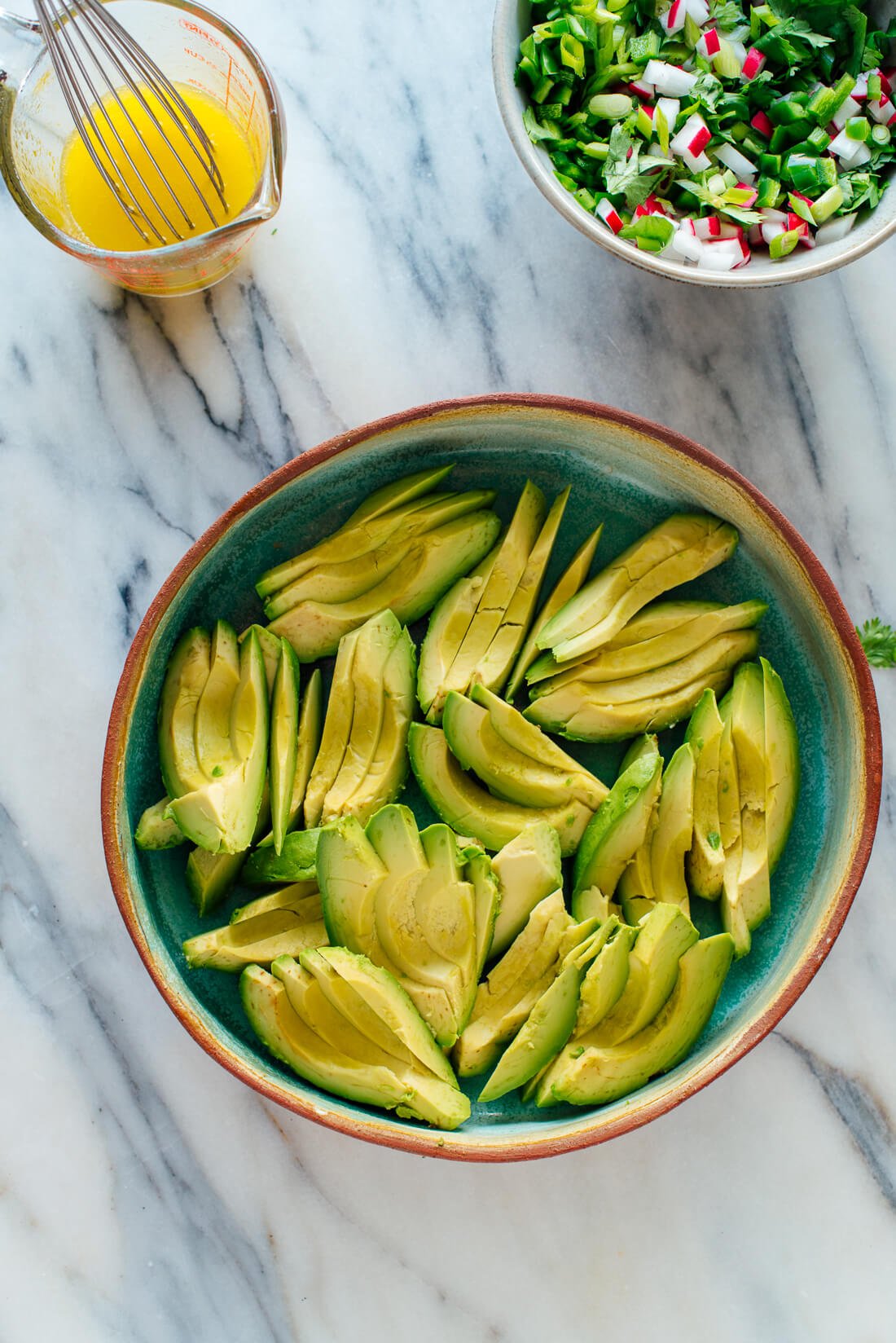

Avocados are often praised for their healthy fats, but they are also rich in fiber.
They are creamy, satisfying, and very versatile. Avocados work well on toast, in wraps, with eggs, or blended into smoothies.
Because they contain both fiber and fat, they help you stay full for longer. This combination can reduce cravings later in the day.
Avocados are also easy to prepare, making them a great choice for busy mornings.
6. Nuts and Seeds
Nuts and seeds are excellent fiber boosters. Almonds, walnuts, flaxseeds, and pumpkin seeds are especially good choices.
They add crunch, flavor, and important nutrients to your breakfast. You can sprinkle them on yogurt, oatmeal, or smoothie bowls.
In addition to fiber, they provide protein and healthy fats, which help keep hunger under control.
A small handful is usually enough to improve both nutrition and taste.
7. Apples
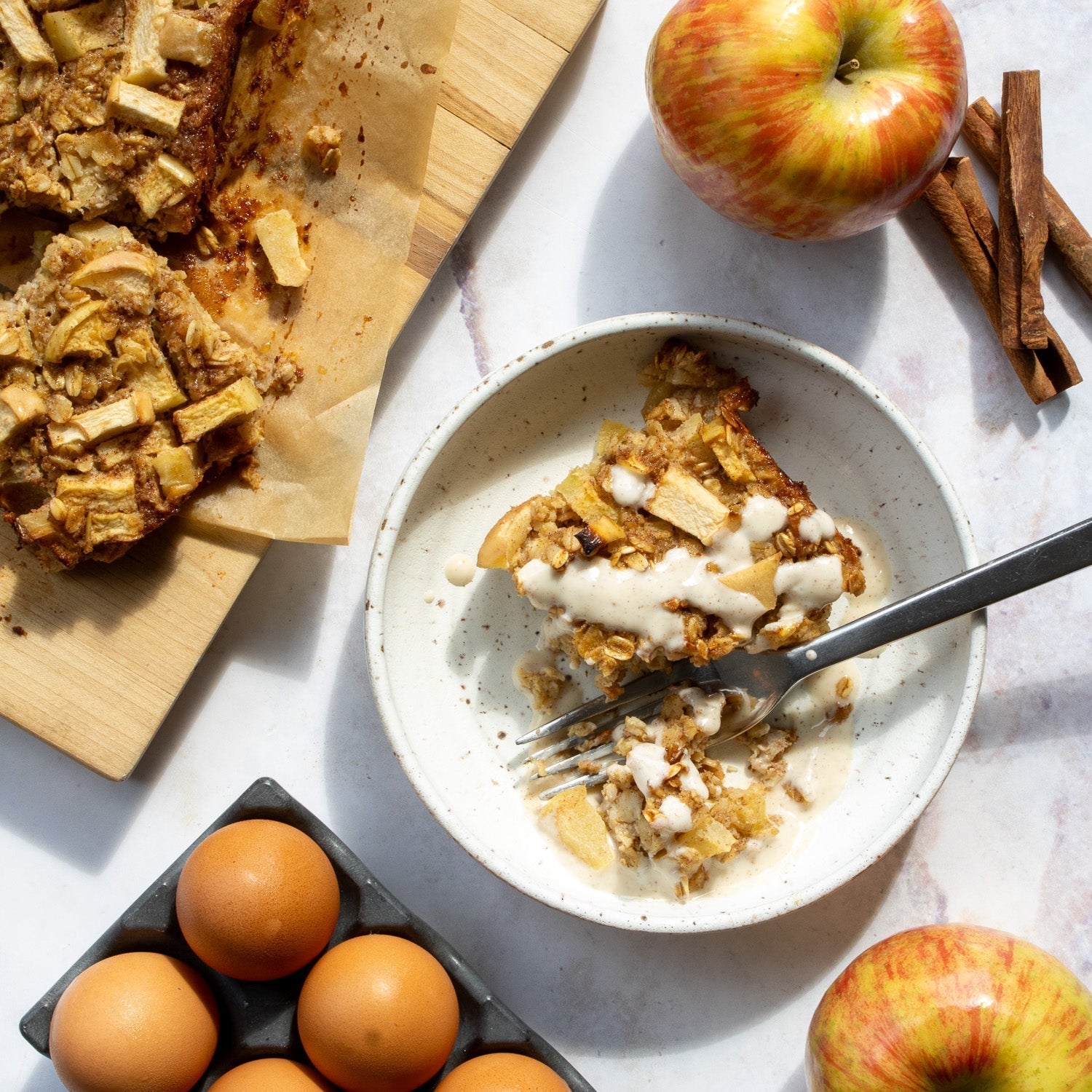
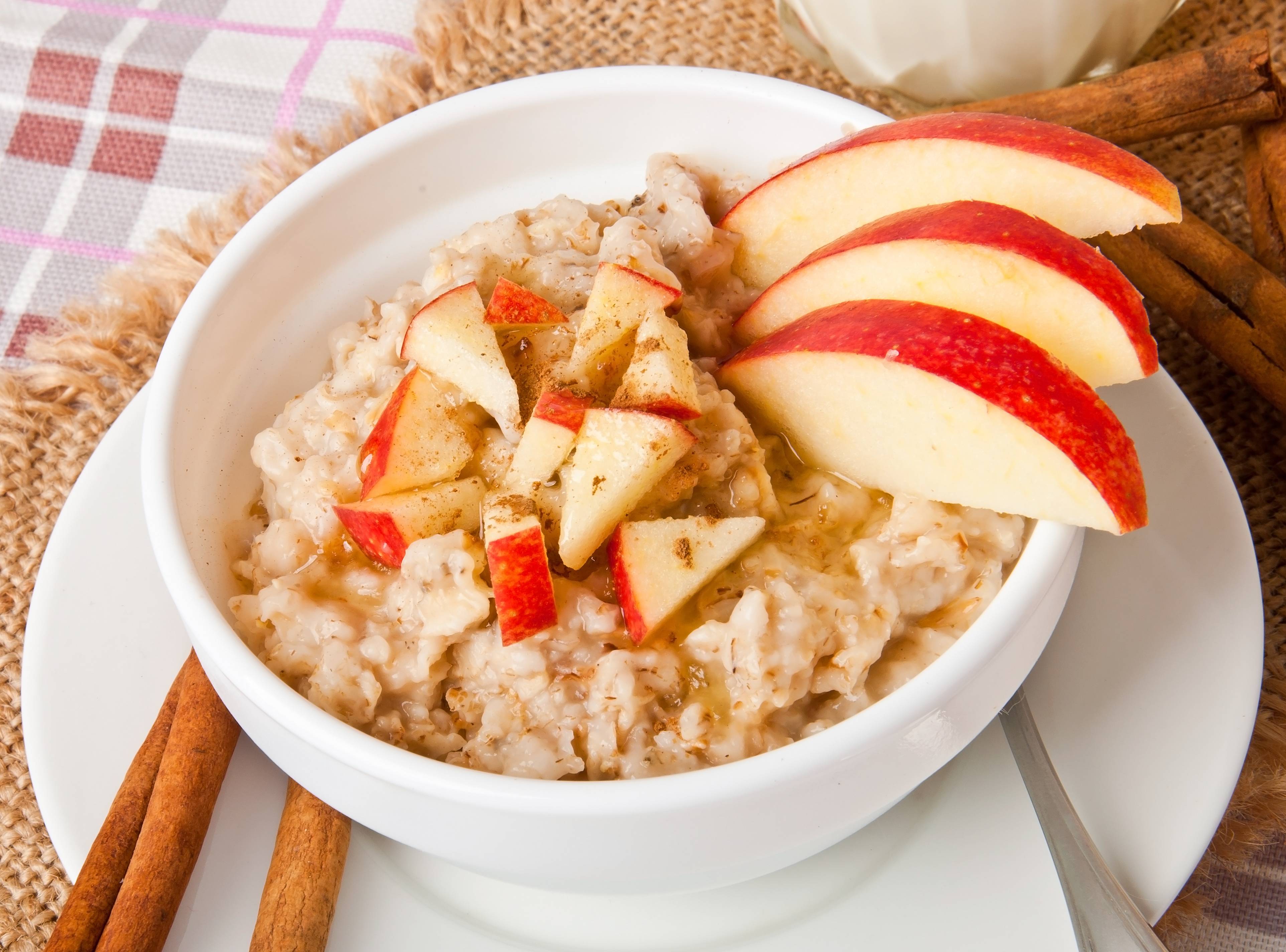
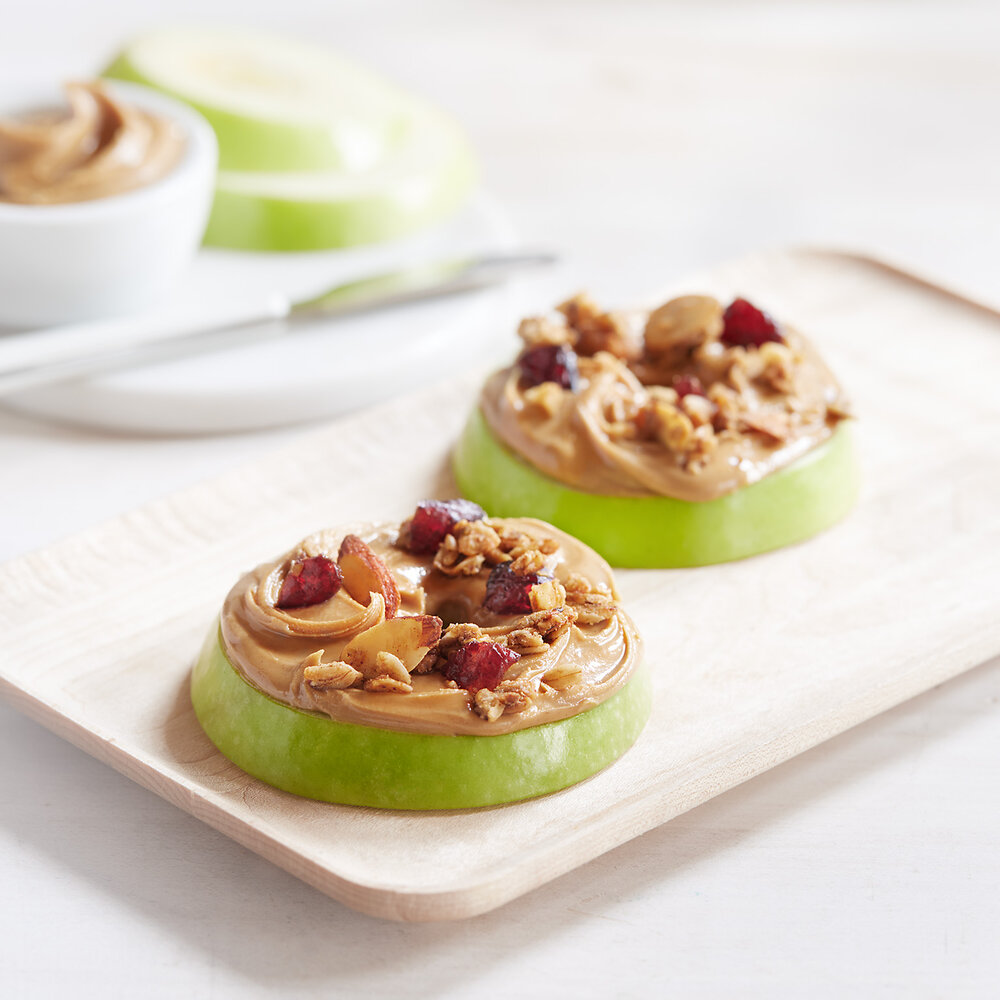
Apples are a simple, affordable, and high-fiber fruit. Much of their fiber is found in the skin, so it’s best to eat them unpeeled.
They are naturally sweet and pair well with many breakfast foods. Apples work beautifully with oats, yogurt, or nut butter.
Their fiber helps slow digestion, keeping you full longer and helping stabilize blood sugar.
Apples are also portable, making them perfect for eating on the go.
8. High-Fiber Cereals
Cereal can be healthy — if you choose wisely. Many cereals are loaded with sugar and low in fiber, but some are designed specifically to support digestive health.
Look for cereals made from whole grains with at least several grams of fiber per serving.
Pairing high-fiber cereal with fruit or nuts can create a balanced and satisfying breakfast.
Checking nutrition labels is key. Fiber content matters more than marketing claims.
Why Fiber Matters at Breakfast
Starting your day with fiber offers many benefits. Fiber supports digestion, helps regulate blood sugar, and promotes a feeling of fullness.
This can lead to better energy levels, improved concentration, and healthier eating habits throughout the day.
A high-fiber breakfast may also support long-term health by reducing the risk of heart disease and improving gut health.
Simply put, fiber helps your body work better.
Easy Ways to Add More Fiber
Adding fiber to breakfast doesn’t have to be complicated. Small changes can make a big difference.
For example, swapping white toast for whole grain bread or adding berries to oatmeal instantly boosts fiber intake.
Mixing seeds into yogurt or choosing whole fruits instead of juice are also easy improvements.
Consistency matters more than perfection.
Final Thoughts
A healthy breakfast sets the tone for your entire day. Choosing high-fiber foods is one of the smartest ways to improve your nutrition without drastic changes.
Oats, fruits, seeds, whole grains, and healthy fats can transform your mornings and help you feel better overall.
The best part? These foods are delicious, easy to prepare, and widely available.
Start small, experiment with combinations, and build a breakfast routine that supports both your health and your lifestyle.