
Do you ever finish a meal only to feel hungry again an hour later? The problem might not be how much you eat—but what you eat. The secret to staying full and satisfied lies in combining three powerful nutrients: healthy fats, fiber, and protein.
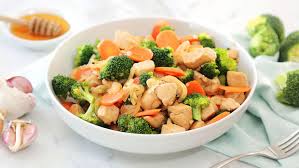
When you eat meals rich in these three components, your digestion slows down, your blood sugar stays stable, and your hunger hormones stay in check. Unlike processed foods that cause quick spikes and crashes, balanced meals with fats, fiber, and protein keep you energized for hours.
In this article, we’ll explore why this combination works so well, the best food sources for each nutrient, and simple meal ideas to help you stay full and avoid unnecessary snacking.
Why Healthy Fats, Fiber, and Protein Keep You Full
1. Healthy Fats Slow Digestion
Fats are the slowest macronutrient to digest, which means they help you feel full longer. They also trigger the release of hormones like leptin, which signals to your brain that you’re satisfied.
Good sources of healthy fats include:
-
Avocados
-
Nuts and seeds (almonds, walnuts, chia seeds, flaxseeds)
-
Olive oil and coconut oil
-
Fatty fish (salmon, mackerel, sardines)
-
Full-fat dairy (Greek yogurt, cheese)
Unlike unhealthy trans fats (found in fried and processed foods), these fats support heart health, brain function, and hormone balance.
2. Fiber Adds Bulk and Feeds Good Gut Bacteria
Fiber is a type of carbohydrate that your body can’t fully digest. Instead, it adds bulk to your meals, slows digestion, and feeds the beneficial bacteria in your gut. There are two types of fiber:
-
Soluble fiber (dissolves in water, forms a gel-like substance) – Found in oats, beans, apples, and chia seeds.
-
Insoluble fiber (adds bulk to stool) – Found in whole grains, vegetables, and nuts.
High-fiber foods take longer to chew and digest, which helps prevent overeating. They also stabilize blood sugar, reducing cravings for sugary snacks.
3. Protein Reduces Hunger Hormones
Protein is the most satiating macronutrient. It lowers ghrelin (the hunger hormone) and increases peptide YY (a hormone that makes you feel full). It also helps maintain muscle mass, especially important if you’re active or trying to lose weight.
Great protein sources include:
-
Lean meats (chicken, turkey, lean beef)
-
Fish and seafood
-
Eggs
-
Greek yogurt and cottage cheese
-
Legumes (lentils, chickpeas, black beans)
-
Tofu and tempeh
When you combine protein with fiber and healthy fats, you create a meal that digests slowly, keeping hunger at bay for hours.
How to Build Meals for Maximum Fullness
The key to staying satisfied is balancing all three nutrients in every meal. Here are some simple ways to do it:
Breakfast Ideas
-
Oatmeal with Nut Butter & Berries – Cook oats in milk (protein), stir in almond butter (healthy fats), and top with berries (fiber).
-
Avocado & Egg Toast – Whole-grain toast (fiber), mashed avocado (healthy fats), and scrambled eggs (protein).
-
Greek Yogurt Parfait – Greek yogurt (protein), chia seeds (healthy fats + fiber), and sliced fruit (fiber).
Lunch Ideas
-
Grilled Chicken Salad – Mixed greens (fiber), grilled chicken (protein), avocado (healthy fats), and olive oil dressing.
-
Quinoa & Chickpea Bowl – Quinoa (fiber + protein), chickpeas (protein + fiber), roasted veggies, and tahini dressing (healthy fats).
-
Turkey & Hummus Wrap – Whole-grain wrap (fiber), turkey slices (protein), hummus (healthy fats + fiber), and spinach.
Dinner Ideas
-
Salmon with Sweet Potato & Broccoli – Salmon (healthy fats + protein), roasted sweet potato (fiber), and steamed broccoli (fiber).
-
Stir-Fried Tofu with Vegetables & Brown Rice – Tofu (protein), mixed veggies (fiber), brown rice (fiber), and sesame oil (healthy fats).
-
Lean Beef Chili with Beans – Ground beef (protein), kidney beans (fiber + protein), tomatoes, and avocado on top (healthy fats).
Snack Ideas
-
Apple Slices with Almond Butter – Apple (fiber), almond butter (healthy fats + protein).
-
Carrots & Hummus – Carrots (fiber), hummus (healthy fats + protein).
-
Handful of Nuts & Cheese – Nuts (healthy fats + fiber), cheese (protein + fats).
The Benefits of Eating This Way
1. Fewer Cravings & Stable Energy
Processed carbs and sugary foods cause blood sugar spikes and crashes, leading to cravings. Balanced meals with fats, fiber, and protein prevent this, keeping energy levels steady.
2. Better Digestion & Gut Health
Fiber feeds good gut bacteria, improving digestion and reducing bloating. Healthy fats also help absorb fat-soluble vitamins (A, D, E, K).
3. Supports Weight Management
Since these meals keep you full longer, you naturally eat less without feeling deprived—making it easier to maintain or lose weight.
4. Improved Nutrient Absorption
Healthy fats help your body absorb vitamins from vegetables (like spinach and carrots). Protein ensures you maintain muscle, especially important as you age.
Common Mistakes to Avoid
-
Skipping Fats – Low-fat diets can leave you hungry. Include healthy fats in moderation.
-
Not Enough Protein – Without enough protein, you may feel hungry soon after eating.
-
Choosing Refined Carbs – White bread, pasta, and pastries digest quickly, leading to hunger spikes. Opt for whole grains instead.
Final Thoughts
If you struggle with constant hunger or energy crashes, try structuring your meals around healthy fats, fiber, and protein. This simple formula keeps you full, supports digestion, and helps maintain steady energy throughout the day.
Start with one balanced meal at a time—like adding avocado to your salad or nuts to your yogurt. Small changes make a big difference in how satisfied you feel.