
Yoga is one of the simplest ways to improve your body and mind at the same time. You do not need expensive equipment, a gym membership, or special skills. All you need is a little space, comfortable clothing, and a willingness to move gently. If you are new to yoga, this guide will help you understand how to start yoga safely and confidently.
Yoga is not about being flexible or performing difficult poses. It is about connecting your breathing with your movements. Over time, yoga can help reduce stress, improve posture, increase strength, and support better sleep.
What Is Yoga?
Yoga is a practice that combines movement, breathing, and awareness. It began thousands of years ago and is now popular around the world. Many people use yoga to relax, stretch, build strength, and clear the mind.
When you do yoga, you move slowly and focus on your breathing. This helps calm your nervous system and improves how your body feels.
Getting Ready for Yoga
Before you begin, create a comfortable environment. Choose a quiet place where you can move freely. A yoga mat is helpful but not required. You can use a soft carpet or towel if needed.
Wear clothes that allow easy movement. Avoid tight or restrictive clothing. Yoga should feel comfortable, not forced.
Try to practice yoga on an empty or light stomach. Doing yoga immediately after a large meal can feel uncomfortable.
Start with Breathing
Breathing is the foundation of yoga. Many beginners rush into poses, but breathing is just as important as movement.
Stand or sit comfortably. Close your eyes if you like. Take a slow breath in through your nose. Let your lungs fill with air. Then breathe out slowly.
Repeat this for one minute. Notice how your body feels. Slow breathing helps you relax and prepares your body for movement.
Basic Yoga Poses for Beginners
You do not need complicated poses to benefit from yoga. Simple movements are enough.
Mountain Pose (Tadasana)


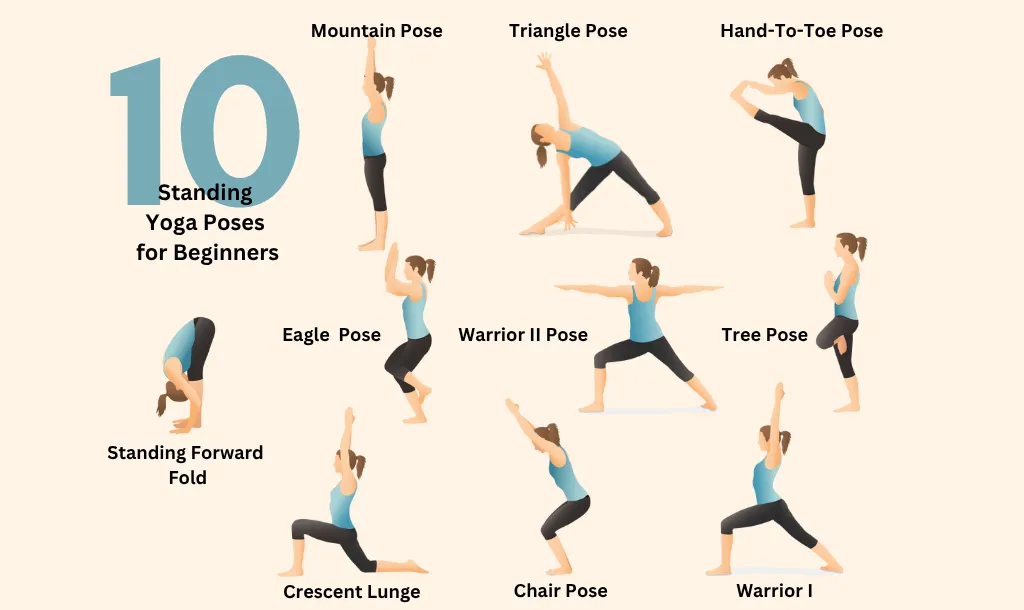
Stand upright with your feet together or slightly apart. Relax your shoulders. Keep your arms at your sides. Breathe slowly.
This pose improves posture and body awareness.
Downward Facing Dog (Adho Mukha Svanasana)
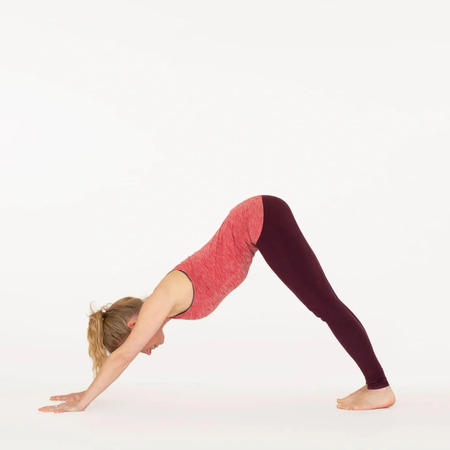


Start on your hands and knees. Lift your hips upward. Keep your back long. Your body should form an inverted V shape.
This pose stretches your back, shoulders, and legs.
Child’s Pose (Balasana)

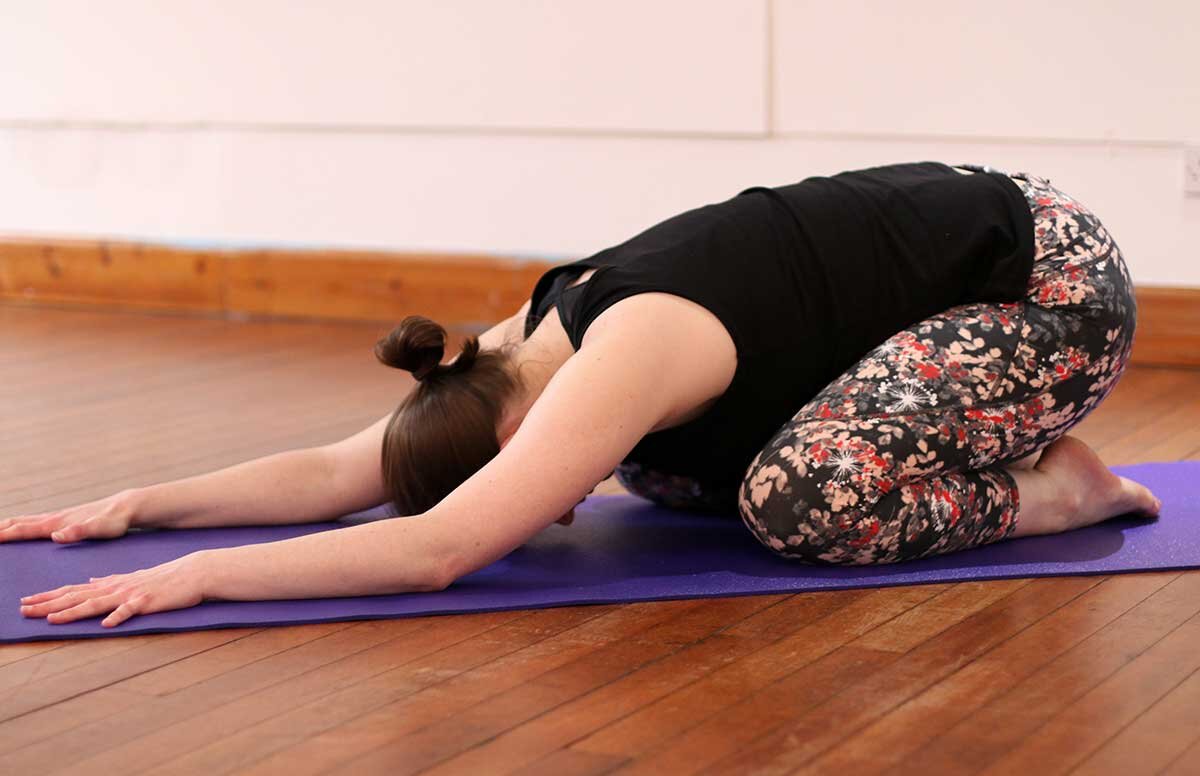
Kneel on the floor. Sit back on your heels. Stretch your arms forward and rest your forehead down.
This pose helps you relax and recover between movements.
Move Slowly and Gently
One of the most important yoga tips for beginners is to move slowly. Yoga is not a race. There is no need to push your body into deep stretches.
If a pose feels painful, stop. Yoga should create mild stretching sensations, not sharp pain.
Listen to your body. Every person has different flexibility and strength levels.
Connect Breathing with Movement
Yoga becomes more effective when you link breathing and movement.
For example, breathe in as you lift your arms. Breathe out as you lower your body into a stretch.
This rhythm helps relax your muscles and improves focus.
How Long Should You Practice Yoga?
Beginners often ask how long to do yoga. The answer is simple: start small.
Even 10 to 15 minutes of yoga per day can provide benefits. Consistency matters more than duration.
Practicing yoga regularly is better than doing long sessions once in a while.
Relaxation Is Part of Yoga
Yoga is not only movement. Relaxation is essential.
At the end of your session, lie down comfortably. Close your eyes. Breathe slowly. Let your body rest for a few minutes.
This helps your body absorb the benefits of your practice.
Common Beginner Mistakes
Many beginners make similar mistakes when starting yoga.
The most common mistake is trying to be perfect. Yoga is a personal practice. It is not about how you look.
Another mistake is forcing flexibility. Flexibility improves naturally over time.
Comparing yourself with others can also create frustration. Focus on your own progress.
Benefits of Doing Yoga Regularly
When practiced consistently, yoga offers many benefits.
Yoga can reduce stress and anxiety. Slow breathing calms the mind.
Yoga improves flexibility and joint mobility. Muscles become more relaxed.
Yoga builds strength. Many poses gently engage muscles.
Yoga improves posture. Awareness of alignment helps reduce tension.
Yoga supports better sleep. Relaxation techniques help your body unwind.
Tips for Staying Consistent
Starting yoga is easy. Staying consistent is the real challenge.
Choose a simple routine you enjoy. Keep it manageable.
Practice at the same time each day if possible. Habits are easier to maintain.
Do not worry about long sessions. Short practices are effective.
Follow beginner-friendly videos if you like guidance.
Most importantly, be patient. Yoga progress happens gradually.
Yoga Is for Everyone
One of the best things about yoga is that anyone can practice it. Age, fitness level, and flexibility do not matter.
Yoga adapts to your body. You do not need to adapt to yoga.
Start gently. Stay consistent. Focus on breathing. Listen to your body.
Over time, yoga can become a powerful tool for physical health and mental clarity.
Yoga does not require perfection or intensity. It simply requires presence and patience. If you start with small, gentle steps, yoga can easily become a rewarding part of your daily life.