
Your liver is your body’s unsung hero, working tirelessly behind the scenes. Think of it as your main detox center, nutrient processor, and energy storage manager all in one. Every day, it filters your blood, breaks down toxins, produces vital proteins, and helps regulate metabolism. Given its heavy workload, supporting your liver is one of the best things you can do for your overall health.
While no single food can magically “cleanse” an otherwise unhealthy lifestyle, a consistent diet rich in certain nutrients can significantly boost your liver’s natural ability to repair and protect itself. Let’s explore the best foods to help your liver thrive, focusing on delicious, everyday choices.
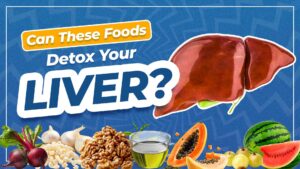
The Power of Leafy Greens
First and foremost, let’s talk about leafy green vegetables. Powerhouses like spinach, kale, arugula, and Swiss chard are loaded with chlorophyll, a plant pigment that helps neutralize certain environmental toxins. More importantly, they are rich in antioxidants and specific plant compounds that help reduce inflammation and fatty deposits in the liver.
Bitter greens, such as dandelion greens and mustard greens, are particularly noteworthy. They have been used in traditional medicine for centuries to support bile flow. Bile is like your liver’s waste removal system, helping to carry toxins out of your body. Including a hearty serving of greens in your daily meals is a simple, powerful step toward liver health.
Cruciferous Vegetables: Your Liver’s Best Friend
Another fantastic category is cruciferous vegetables. This family includes broccoli, cauliflower, Brussels sprouts, and cabbage. These vegetables are special because they contain high levels of a compound called sulforaphane.
Sulforaphane supports the liver’s detoxification pathways at a cellular level. It helps your liver enzymes become more efficient at flushing out harmful substances. Steaming or lightly sautéing these vegetables is a great way to preserve their beneficial compounds. Try roasting Brussels sprouts with a touch of olive oil or adding raw broccoli sprouts to your salad for a potent boost.
Berries, Citrus, and Antioxidant Protection
When considering fruits, berries and citrus stand out. Blueberries, raspberries, and strawberries are packed with antioxidants known as anthocyanins. These compounds have been shown in studies to protect the liver from damage and slow the development of scar tissue.
Citrus fruits like grapefruit, oranges, and lemons are excellent sources of vitamin C and other unique antioxidants. These substances help reduce inflammation and encourage the breakdown of fat in the liver. A glass of fresh lemon water in the morning is more than a refreshing ritual; it gently stimulates your liver’s natural processes.
The Healthy Fat Champions: Avocado & Nuts
Healthy fats are crucial, and the avocado is a true liver-loving superstar. It is an abundant source of glutathione, a master antioxidant that is essential for your liver’s detoxification process. Furthermore, the healthy monounsaturated fats in avocados help reduce bad cholesterol and inflammation, easing the liver’s metabolic burden.
Do not underestimate the power of simple nuts and seeds. Walnuts, in particular, are rich in omega-3 fatty acids and the amino acid arginine, which assists the liver in detoxifying ammonia, a waste product. A small handful of walnuts each day can provide these benefits. Similarly, flaxseeds and chia seeds offer fiber and healthy fats that support overall digestive health, which is directly linked to liver function.
Flavorful Support: Garlic & Turmeric
For a warming and protective option, look to garlic and turmeric. Garlic is rich in compounds that aid in activating liver enzymes and providing antioxidant protection. Even a small amount can be effective.
Turmeric, the bright yellow spice, contains the active compound curcumin. Curcumin is a potent anti-inflammatory agent that helps protect the tiny bile duct cells, improves bile flow, and can aid in regenerating liver cells. A helpful tip: adding a pinch of black pepper to turmeric increases your body’s ability to absorb curcumin by a remarkable amount.
The Essentials: Green Tea and Water
Finally, two foundational items complete our list: green tea and water. Green tea is celebrated for its catechins, a type of antioxidant. Research suggests these catechins can help reduce fat accumulation in the liver and support overall liver function. Simply enjoying a cup or two of brewed green tea daily is a safe and beneficial practice.
And we cannot forget plain water. Hydration is the most basic yet vital support for your liver. Water helps thin the blood and bile, allowing your liver to filter and flush waste products with much greater efficiency. When you are dehydrated, your liver has to work much harder.
Nourishment, Not a Quick Fix
Remember, the goal is not a drastic, short-term cleanse but consistent, long-term nourishment. The idea of “cleaning out” your liver is best thought of as reducing the toxic burden you place on it and giving it the nutrients it needs to perform its own natural functions optimally.
By regularly incorporating these foods into a balanced diet—while limiting processed foods, excessive sugar, and alcohol—you provide your hardworking liver with the tools it requires. This approach, more than any trendy detox, is the true secret to helping your liver thrive for years to come. Start with one or two changes, like adding more greens or enjoying a daily handful of walnuts, and build from there. Your liver will thank you with renewed energy and better overall health.