
If you’re trying to eat healthier, whole-food smoothies are an excellent choice. They contain natural protein, fiber, antioxidants, and healthy carbohydrates that support energy and muscle recovery without relying on supplements.
Most of these smoothies contain between 15 and 25 grams of protein per serving, depending on the ingredients you use.
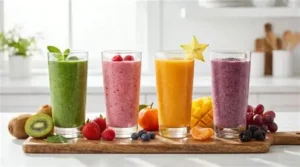
Why Skip Protein Powder?
Protein powder can be convenient, but it isn’t necessary for everyone. Whole-food ingredients offer several benefits:
- Natural nutrients along with protein
- Better flavor and texture
- Less processed ingredients
- More fiber and healthy fats
- Usually more budget-friendly
With the right ingredients, your smoothie can be just as filling and nutritious.
Best High-Protein Ingredients Without Protein Powder
Here are some of the best ingredients to keep in your kitchen.
Greek yogurt is one of the easiest ways to increase protein. Plain Greek yogurt provides around 15–20 grams of protein per cup.
Cottage cheese creates an extra creamy smoothie while adding approximately 25 grams of protein per cup.
Milk adds more protein than water. Dairy milk contains around 8 grams per cup, while soy milk is also an excellent high-protein plant-based option.
Silken tofu blends smoothly and provides complete plant protein without changing the flavor much.
Nut butter like peanut or almond butter adds healthy fats and a few extra grams of protein.
Chia seeds provide protein, fiber, and omega-3 fatty acids.
Hemp hearts are one of the highest-protein seeds available and blend perfectly into smoothies.
Rolled oats add fiber, natural sweetness, and extra protein.
1. Strawberry Greek Yogurt Smoothie
This classic smoothie is creamy, refreshing, and packed with protein.
Ingredients
- 1 cup plain Greek yogurt
- 1 cup frozen strawberries
- ½ banana
- ½ cup milk
- 1 tablespoon chia seeds
- 1 teaspoon honey (optional)
Directions
Blend everything until smooth. Serve immediately.
Approximate protein: 20–23 grams.
2. Peanut Butter Banana Smoothie
Perfect for breakfast or after a workout.
Ingredients
- 1 banana
- 2 tablespoons natural peanut butter
- 1 cup milk
- ½ cup Greek yogurt
- ¼ teaspoon cinnamon
- Ice cubes
Blend until creamy.
Approximate protein: 22–25 grams.
3. Mixed Berry Cottage Cheese Smoothie
Don’t worry if you’ve never tried cottage cheese in smoothies. You won’t taste it, but you’ll notice the rich, creamy texture.
Ingredients
- ¾ cup cottage cheese
- 1 cup frozen mixed berries
- ½ cup milk
- 1 tablespoon flaxseed
- 1 teaspoon maple syrup
Blend for about one minute.
Approximate protein: 24 grams.
4. Chocolate Oat Breakfast Smoothie
A healthy chocolate smoothie that’s naturally filling.
Ingredients
- 1 cup milk
- ½ cup Greek yogurt
- ¼ cup rolled oats
- 1 tablespoon cocoa powder
- 1 banana
- Ice cubes
Blend until smooth.
Approximate protein: 19–22 grams.
5. Green High-Protein Smoothie
This smoothie is loaded with nutrients while staying creamy and delicious.
Ingredients
- 2 cups spinach
- 1 cup soy milk
- ½ avocado
- ½ cup Greek yogurt
- ½ banana
- 1 tablespoon hemp hearts
Blend until silky smooth.
Approximate protein: 20 grams.
6. Tropical Mango Smoothie
Bright, refreshing, and naturally sweet.
Ingredients
- 1 cup frozen mango
- ½ cup pineapple
- ¾ cup Greek yogurt
- ½ cup milk
- 1 tablespoon chia seeds
Blend well and enjoy.
Approximate protein: 18–20 grams.
7. Blueberry Almond Smoothie
Blueberries and almonds are a nutritious combination full of antioxidants.
Ingredients
- 1 cup blueberries
- 1 tablespoon almond butter
- 1 cup milk
- ½ cup Greek yogurt
- 1 tablespoon oats
Blend until creamy.
Approximate protein: 19–21 grams.
8. Creamy Vanilla Tofu Smoothie
Silken tofu creates an incredibly smooth texture while adding plant-based protein.
Ingredients
- ½ cup silken tofu
- 1 banana
- 1 cup soy milk
- 1 teaspoon vanilla extract
- 1 teaspoon honey
- Ice cubes
Blend until smooth.
Approximate protein: 18–20 grams.
Tips for Making Better Smoothies
Using frozen fruit makes your smoothie thicker without adding ice that can water it down.
Choose plain Greek yogurt instead of flavored yogurt to reduce added sugar.
Add healthy fats like chia seeds, flaxseed, walnuts, or almond butter for longer-lasting energy.
If your smoothie becomes too thick, simply add more milk until you reach your preferred consistency.
Taste before adding sweeteners because ripe bananas and berries often provide enough natural sweetness.
How Much Protein Should a Smoothie Have?
A healthy smoothie should generally contain:
- 15–20 grams of protein for a snack
- 20–30 grams for breakfast
- 20–30 grams after exercise to support muscle recovery
Combining protein with fiber and healthy fats helps you stay satisfied longer and supports balanced blood sugar.
Frequently Asked Questions
Can I build muscle without protein powder?
Yes. Many people meet their protein needs through foods like Greek yogurt, cottage cheese, eggs, milk, tofu, beans, nuts, seeds, fish, poultry, and lean meats.
Which milk has the most protein?
Cow’s milk and unsweetened soy milk are among the highest-protein choices, providing about 7–8 grams of protein per cup.
Can I make these smoothies vegan?
Absolutely. Replace Greek yogurt with soy yogurt or silken tofu, and use soy milk instead of dairy milk for a protein-rich vegan smoothie.
Are smoothies good for weight loss?
They can be. A smoothie made with whole foods, protein, fiber, and healthy fats can keep you full and reduce unhealthy snacking. Just be mindful of portion sizes and avoid adding too much sugar.
Final Thoughts
Healthy smoothies without protein powder are easy, affordable, and packed with nutrition. By using ingredients like Greek yogurt, cottage cheese, soy milk, tofu, oats, nuts, and seeds, you can enjoy smoothies that are naturally high in protein while providing vitamins, minerals, and fiber.
Try different fruit combinations, experiment with healthy add-ins, and make these smoothies part of your daily routine. You’ll enjoy delicious flavors, better nutrition, and lasting energy—all without opening a container of protein powder.