
Eating the right foods is an important part of managing diabetes. A healthy diet can help keep blood sugar levels more stable, support a healthy weight, and provide the nutrients your body needs each day.
The good news is that a diabetes-friendly diet does not have to be complicated or boring. You do not necessarily need special “diabetic foods.” Instead, focus on balanced meals made with vegetables, lean protein, whole grains, healthy fats, and high-fiber foods.
In this guide, you will learn how to build the best diet plan for diabetes using simple foods that can fit into everyday life.
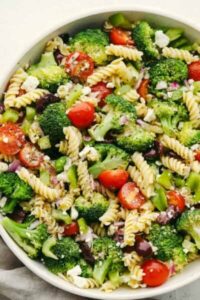
What Is the Best Diet Plan for Diabetes?
There is no single diet that works perfectly for everyone with diabetes. Your ideal eating plan can depend on your blood sugar goals, medications, activity level, food preferences, and other health needs.
However, a good diabetes diet usually focuses on foods that provide nutrition without causing large or rapid increases in blood sugar.
A simple approach is to build meals around non-starchy vegetables, lean protein, high-fiber carbohydrates, and healthy fats. Portion size also matters because even nutritious carbohydrate foods can affect blood sugar when eaten in large amounts.
Start Your Day With a Balanced Breakfast
Breakfast can be a great opportunity to add protein and fiber to your diet.
Instead of starting the morning with sugary cereal, pastries, or sweetened drinks, choose foods that contain protein and slower-digesting carbohydrates.
For example, you could have scrambled eggs with whole-grain toast and sliced avocado. Another option is plain Greek yogurt topped with berries, chia seeds, and a small amount of nuts.
Oatmeal can also work well for many people. Choose plain oats rather than heavily sweetened instant oatmeal. Add cinnamon, berries, nuts, or seeds for extra flavor and nutrition.
Protein and fiber can make breakfast more filling and may help you avoid getting hungry again too quickly.
Build a Healthy Diabetes-Friendly Lunch
Lunch does not need to be complicated. One of the easiest methods is the diabetes plate method.
Imagine dividing your plate into sections. Fill about half with non-starchy vegetables, such as broccoli, spinach, cucumber, peppers, cauliflower, green beans, or salad greens.
Use about one-quarter of the plate for lean protein. Good choices include chicken, turkey, fish, eggs, tofu, beans, or lentils.
The remaining quarter can contain a carbohydrate food, such as brown rice, quinoa, beans, whole grains, or a small serving of potatoes.
For example, you might have grilled chicken with a large mixed salad and a small serving of quinoa. Add olive oil and vinegar as a simple dressing.
Choose a Balanced Dinner
Dinner can follow the same basic formula as lunch: vegetables, protein, a sensible portion of carbohydrates, and a small amount of healthy fat.
Fish is an excellent protein option. Salmon, for example, provides protein and beneficial omega-3 fats. Pair baked salmon with roasted broccoli and a moderate serving of brown rice or sweet potato.
You could also make a vegetable stir-fry with chicken or tofu. Use plenty of colorful vegetables and serve it with a smaller portion of brown rice.
Try to avoid making refined carbohydrates the largest part of the meal. Large servings of white bread, white pasta, or white rice can provide a lot of carbohydrates with relatively little fiber.
Eat More High-Fiber Foods
Fiber is an important part of a healthy diabetes diet. It can help with digestion, increase fullness, and slow the absorption of carbohydrates.
Good sources of fiber include vegetables, beans, lentils, berries, whole grains, nuts, and seeds.
Fruit can also be included in a diabetes-friendly diet. Whole fruit is generally a better choice than fruit juice because it contains fiber and is easier to portion.
Try pairing fruit with protein or healthy fat. An apple with a small amount of peanut butter or berries with plain Greek yogurt can make a satisfying snack.
Choose Healthy Snacks
You do not have to snack if you are not hungry. However, having healthy options available can make it easier to avoid cookies, candy, chips, and other highly processed foods.
Simple diabetes-friendly snack ideas include:
- A small handful of unsalted nuts
- Plain Greek yogurt with berries
- Carrot or cucumber sticks with hummus
- An apple with peanut butter
- A hard-boiled egg with vegetables
Remember that portion size still matters, especially with nuts, nut butter, and carbohydrate-containing snacks.
Limit Added Sugar and Refined Carbohydrates
You do not necessarily need to completely eliminate carbohydrates when you have diabetes. The type and amount of carbohydrates you eat are more important.
Try to reduce foods and drinks that contain large amounts of added sugar, such as soda, candy, sweetened coffee drinks, pastries, and many desserts.
Sugary drinks can be especially challenging because they provide carbohydrates quickly without much fiber or fullness.
Choose water as your main drink. Unsweetened tea, coffee without added sugar, and sparkling water can also be options.
A Simple One-Day Diabetes Meal Plan
Here is an example of what a balanced day might look like.
Breakfast: Scrambled eggs, whole-grain toast, avocado, and berries.
Lunch: Grilled chicken salad with mixed vegetables, chickpeas, and olive oil dressing.
Snack: Plain Greek yogurt with a few berries and walnuts.
Dinner: Baked salmon, roasted broccoli, and a moderate serving of quinoa or sweet potato.
Optional snack: A small apple with natural peanut butter.
This is only an example. Individual carbohydrate and calorie needs can vary considerably.
Tips for Making a Diabetes Diet Easier
Consistency can make healthy eating easier. Plan meals before grocery shopping and keep simple ingredients available at home. Cooking more meals yourself also gives you better control over portions, added sugar, sodium, and ingredients.
Pay attention to nutrition labels, especially total carbohydrates, fiber, added sugars, and serving sizes. Foods marketed as “sugar-free” are not automatically carbohydrate-free or healthier.
Regular physical activity can also support diabetes management. Even simple activities such as walking may help, depending on your health and treatment plan.
Final Thoughts
The best diet plan for diabetes is one that is nutritious, balanced, enjoyable, and realistic enough to follow over time. Focus on non-starchy vegetables, lean proteins, whole grains, beans, healthy fats, and high-fiber foods while limiting sugary drinks, highly refined carbohydrates, and heavily processed foods.
Most importantly, diabetes nutrition is not one-size-fits-all. Blood sugar responses can differ from person to person, especially when medications or insulin are involved. A doctor or registered dietitian can help create a meal plan that matches your individual needs.
Small, consistent changes can make healthy eating much easier to maintain. Start with balanced portions, choose mostly whole foods, and build habits you can continue for the long term.